Overview & Philosophy
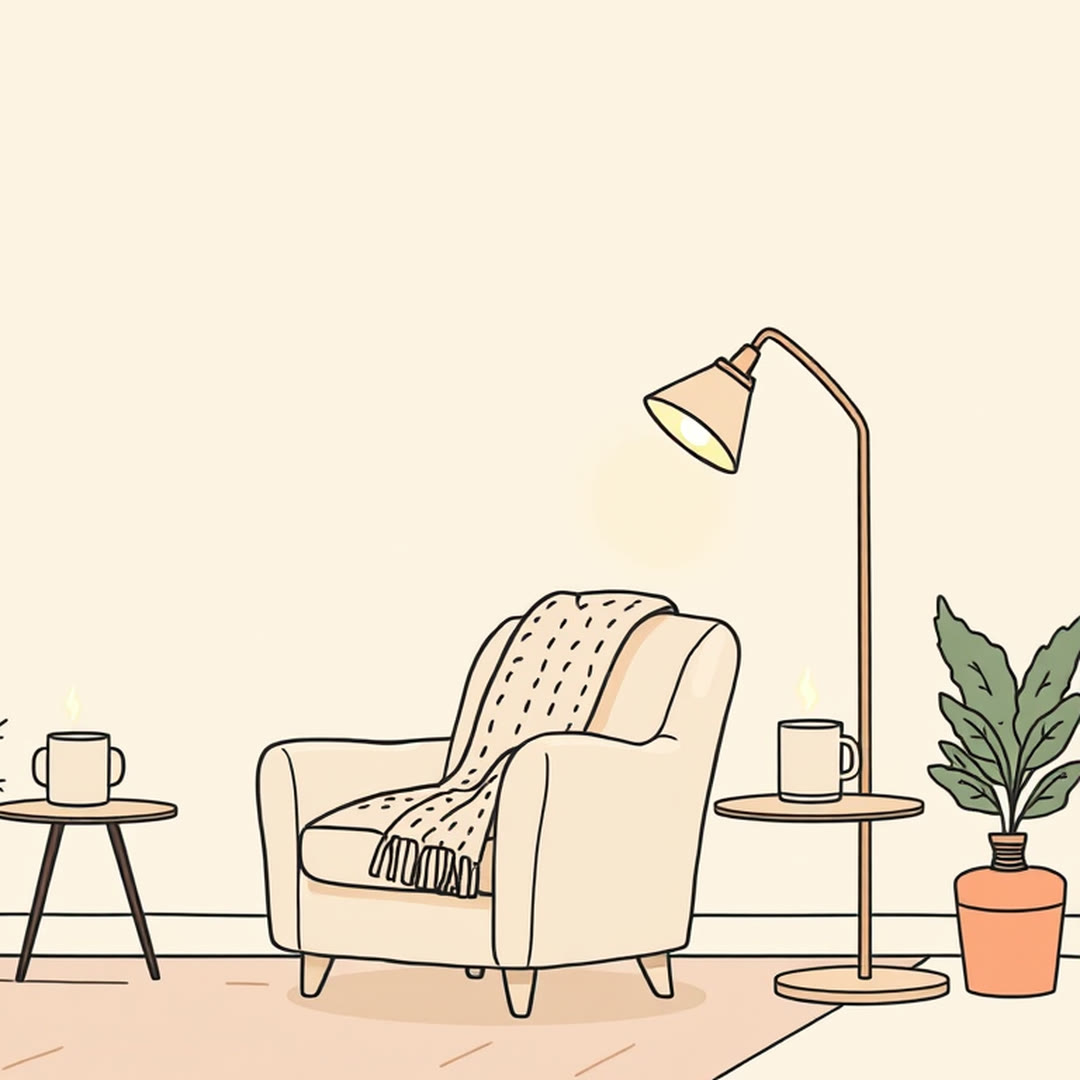
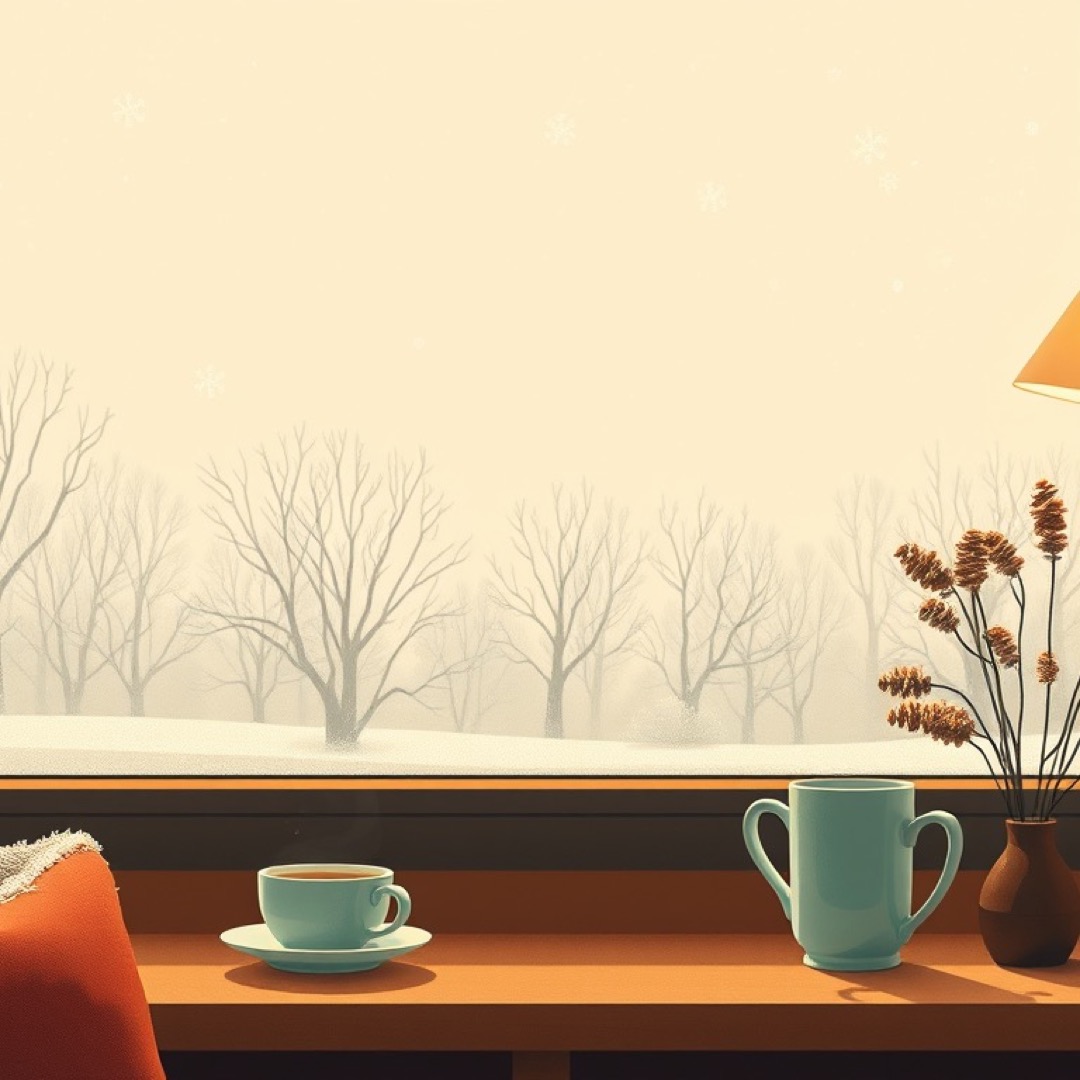
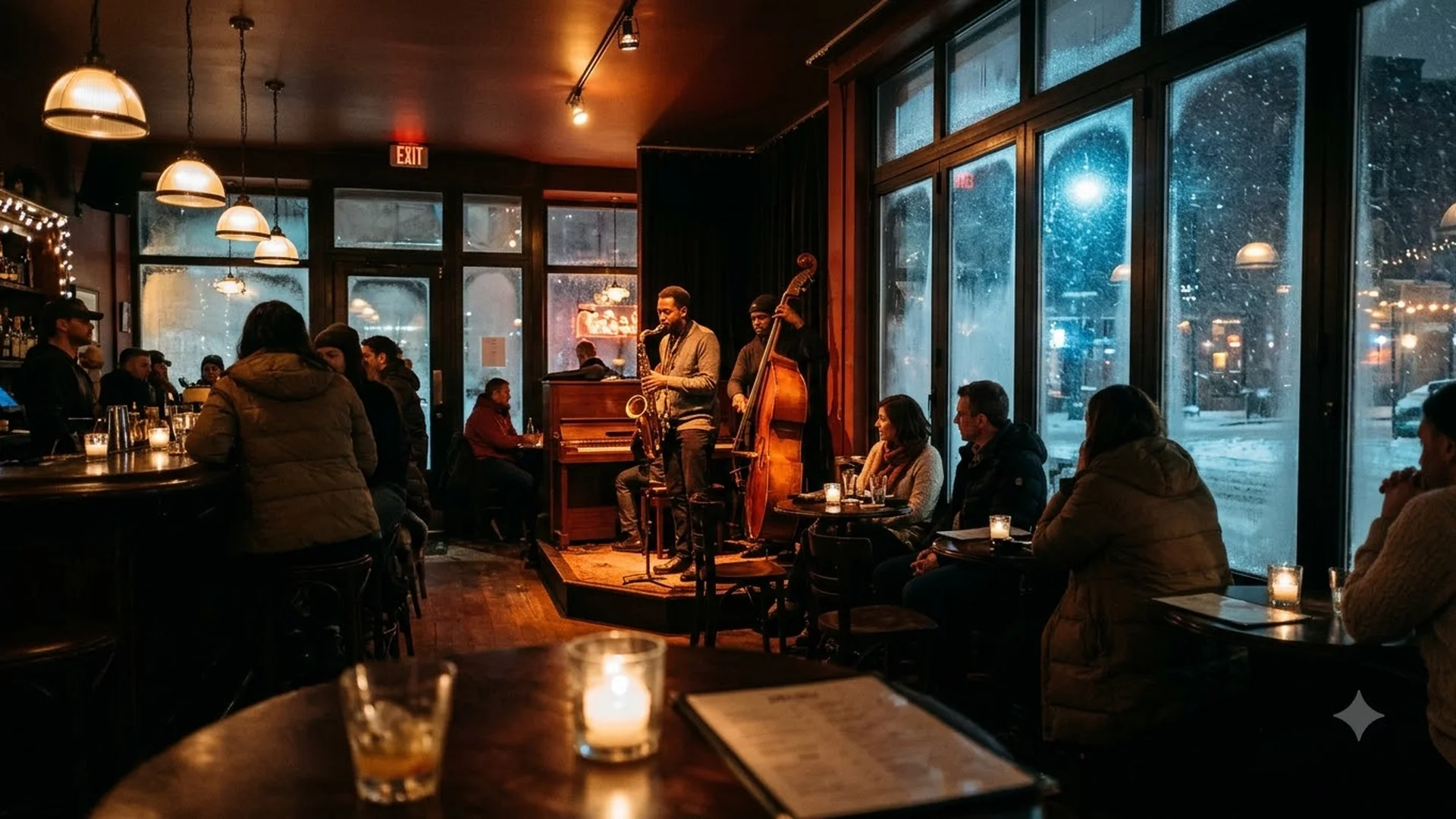
Every city has a small bar where the lamps stay amber long after the streets have gone quiet. 'Winter Night Jazz Bar' spends one snowy night inside it. Where Vol.05 'Scent of Autumn' and Vol.06 'Cozy Christmas Jazz' carried lounge jazz into a season and a holiday, these twelve original songs stay in a single room, at a table by the window, watching the snow pile up outside while the band plays on.
1. The Architecture of the Room: Piano, Brushes, and a Guest Horn
A house trio that never leaves the stage, and a new soloist at every table.The foundation is a classic late-night lounge rhythm section: piano or Rhodes, upright bass, and drums played softly with brushes. The grooves shift from a smooth shuffle and slow swing to a brushed ballad, a cool 3/4 waltz, a downtempo lounge beat, and a mellow bossa-jazz crossover. Over that steady room, each song brings in a different voice: flute at the window, grand piano at the door, clarinet over a warm drink, trombone for a missed train, vibraphone for an old memory, hollowbody guitar at last call, and soprano and tenor saxophones for the walk home and the hours before dawn.
Three singers take turns at the microphone: a sultry, whispery female vocal, a warm and smooth male vocal, and a soft jazzy female vocal, each singing close and unhurried, as if to one table at a time. Three instrumentals, 'Amber Lamps', 'Midnight Snowfall', and the closing 'Dawn Over the Rooftops', let the room breathe, while cocktail ice, intimate club murmur, fireplace crackle, and warm vinyl keep the space alive around the music.
2. Rhythmic Anatomy: A Night That Never Hurries
The tempo stays in the slow lane, rising only once before the snow takes over.The album opens at 78 BPM with 'Table by the Window' and eases down to 72 BPM as the door swings open in 'Snow on the Awning'. From there the night warms gradually, through a shared drink and the glow of the amber lamps, until 'Last Train Gone' reaches 94 BPM, the only moment of motion, a decision not to run for the train. After that the tempo settles into a narrow, unhurried band between the low 80s and 90, and the record ends at a gentle 82 BPM as morning arrives.
Flat major keys like B-flat and E-flat give the room its amber warmth, while C minor, G minor, D minor, and A minor arrive at the reflective hours: a train pulling away into the white, two strangers trading stories, an old song that opens a door to a past winter, and midnight with the snow falling thick. The night resolves back into F, B-flat, and E-flat major on the way home and into dawn.
3. Narrative Arc: First Drink to First Light
Twelve scenes from one snowy night, most of them in the same small room.The first half is about arriving and staying. A corner table by the window, the bell on the door and the first drink, a warm glass shared with someone special, the bar settling into its amber glow, and a last train that leaves without you, happily. Then the night grows more intimate: an easy conversation with a stranger at the counter, and a half-remembered melody on the piano that brings back a winter you thought you had let go.
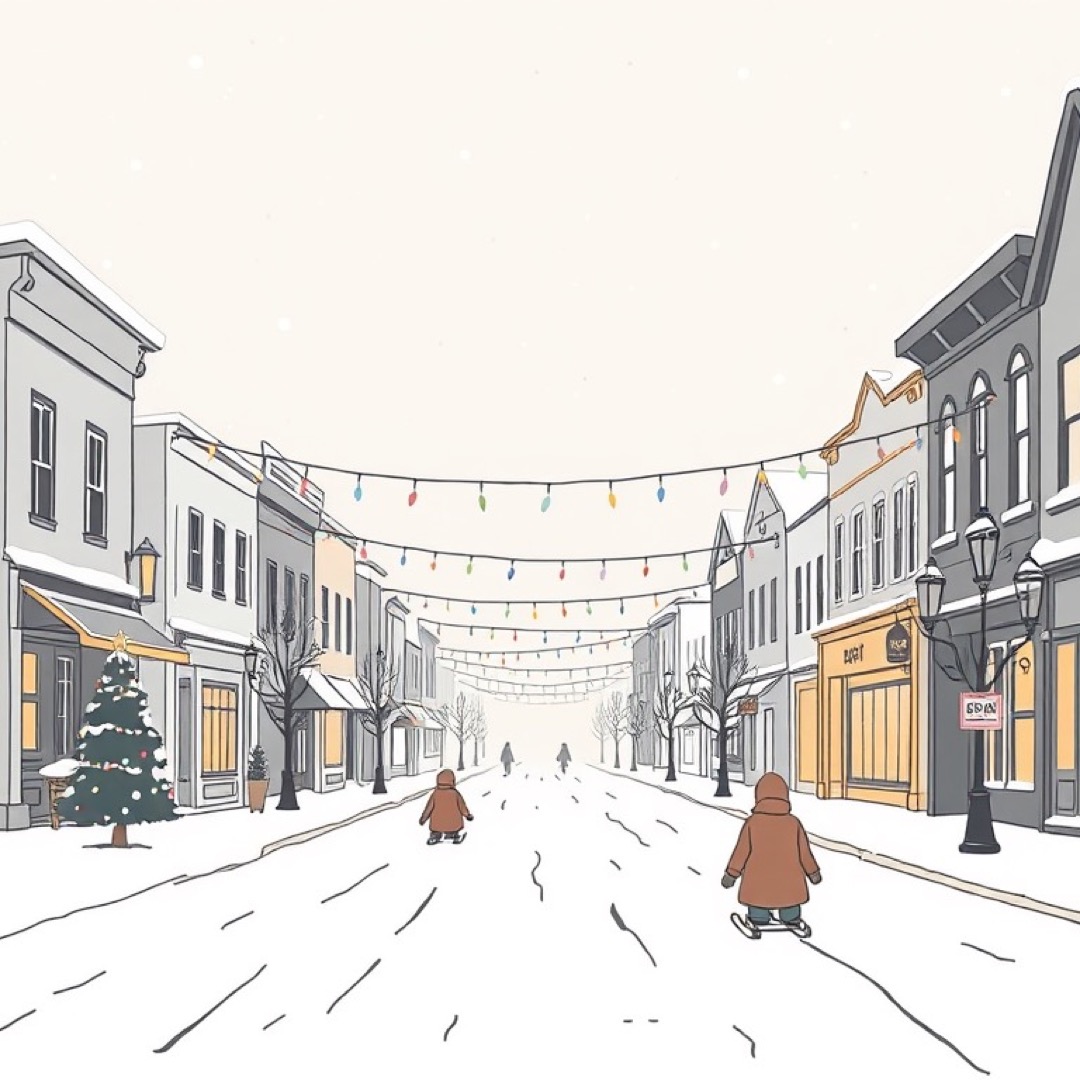
The second half belongs to midnight and after. Snow falls thick outside a room now half empty and glowing, friends linger before the last call as the chairs go up on the tables, and the walk home crosses quiet white streets under the streetlights. At home the music keeps playing in your head while the snow taps on the windowsill, and the album closes with the first pale light over snowy rooftops and a city waking slowly.