Overview & Philosophy
Peace is often imagined as something vast and distant, negotiated far away by people we will never meet. 'Sound for Peace' looks for it somewhere closer: in a kitchen window left open, a neighbor waving from a garden gate, a stranger humming along on a crowded train. Moving between 84 and 104 BPM, these twelve acoustic songs trade grand anthems for small, human-sized moments, the kind that quietly remind us we share the same rain and the same sky.
1. The Architecture of Calm: Turning the Noise Down
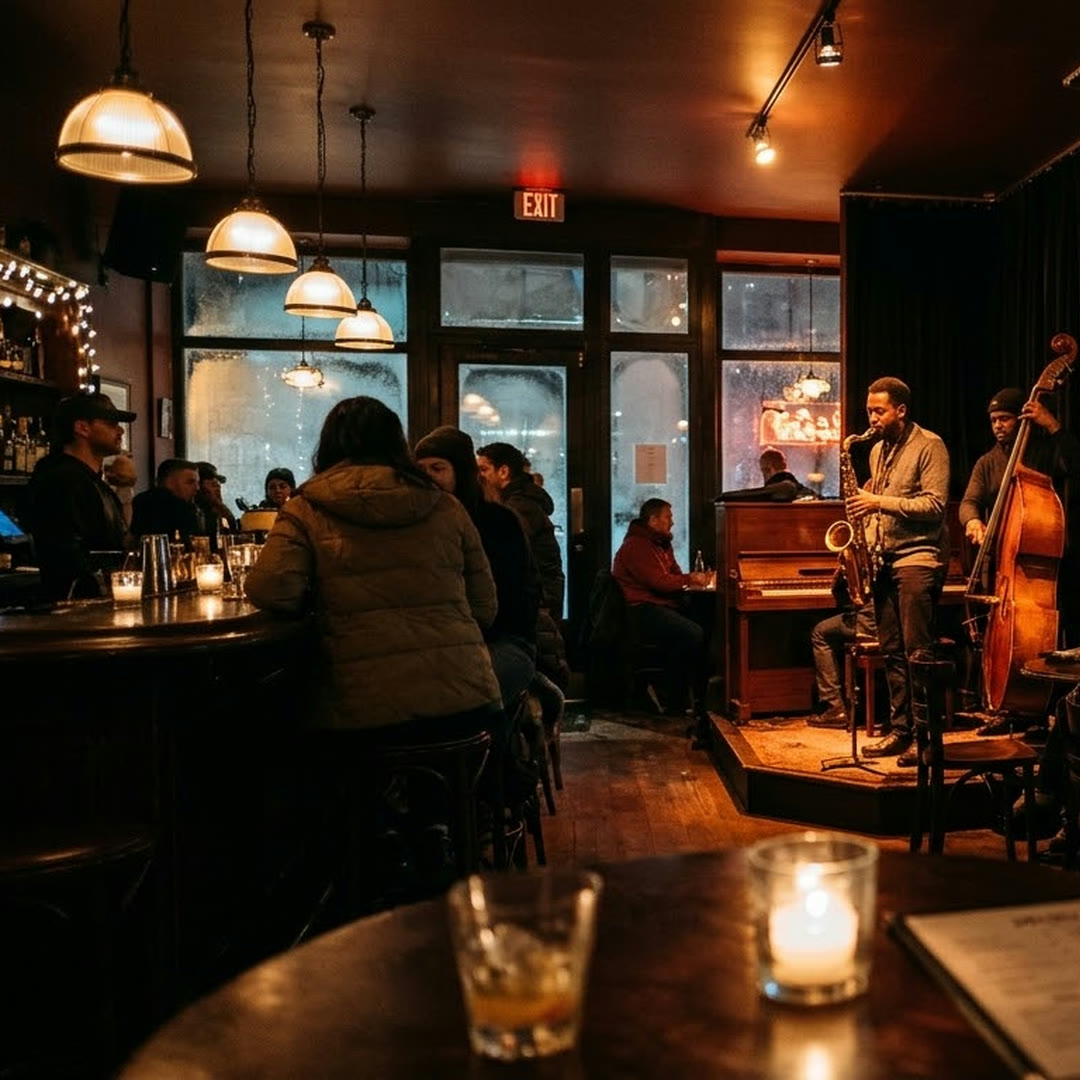
An album that begins by switching off the radio and listening to the room.The collection opens with 'Open Window', where the narrator turns off the morning news in favor of birdsong and steam rising from a mug. It is a deliberate first gesture: before anything else, make space. The arrangements follow that instinct throughout, built on fingerpicked guitar, close-miked voices, and the soft air of a real room rather than polished studio gloss.
Each song is then given a single guest instrument as its color: a mandolin for the open window, a ukulele for the neighborhood stroll, a glockenspiel for the rain, a harmonica for the long walk home, a banjo for the train-car singalong, a cello for the candlelit vigil. Beneath them drift light rain, faint tape saturation, vinyl crackle, and distant street busking. They are never the subject, only the weather around it, giving each track the feeling of a place you could actually sit down in.
2. Harmonic Anatomy: Bright Keys, Shared Voices
Open major-key voicings and duet harmonies that invite you to sing the second line.Most of the album rests in the open, ringing keys of G, D, and A major, where acoustic guitars resonate most naturally and melodies sit comfortably in anyone's voice. Two songs step into minor keys at exactly the moments the story needs them: 'Long Way Round' in F# minor, about two old friends too stubborn to apologize, and 'Candle in the Window' in B minor, a quiet vigil for people waiting through difficult nights far away.
The vocal casting does much of the storytelling. A warm, intimate male voice carries the solitary morning songs, a soft, breathy female voice carries the neighborhood portraits, and the two meet as duets on the songs about reconciliation and togetherness, 'Long Way Round', 'Hum Along', and 'Candle in the Window', so that the idea of coming together is heard as well as described.
3. Narrative Arc: From an Open Window to a Starlit Hush
Twelve scenes that follow a single day from first light to a sleeping town.Side A moves outward from the home into the neighborhood. 'Little Things' notices the corner bakery and a dog asleep on the station stairs. 'Same Sky' watches rain fall identically on your street and on a stranger's, and 'Paper Boats' sees children fold yesterday's pages into boats and let them sail away down the gutter, a small ritual of letting go.
Side B gathers people back together. 'Hum Along' turns a tired commuter train into an impromptu choir; 'Kitchen Table' opens the door to every friend who knocks; 'Lay It Down' asks the evening to carry away the harsh words of the day. The instrumental closer, 'Starlight Hush', lets the town fall asleep under the stars, ending the album not with a statement but with stillness.